
SOUTHEAST ELITE · PRACTICAL MOVING GUIDES
How to use furniture pads and stretch wrap
Use pads for cushioning and stretch film to hold protection in place. Neither replaces safe lifting or load restraints.
By Southeast Elite Van Lines · Updated November 10, 2026
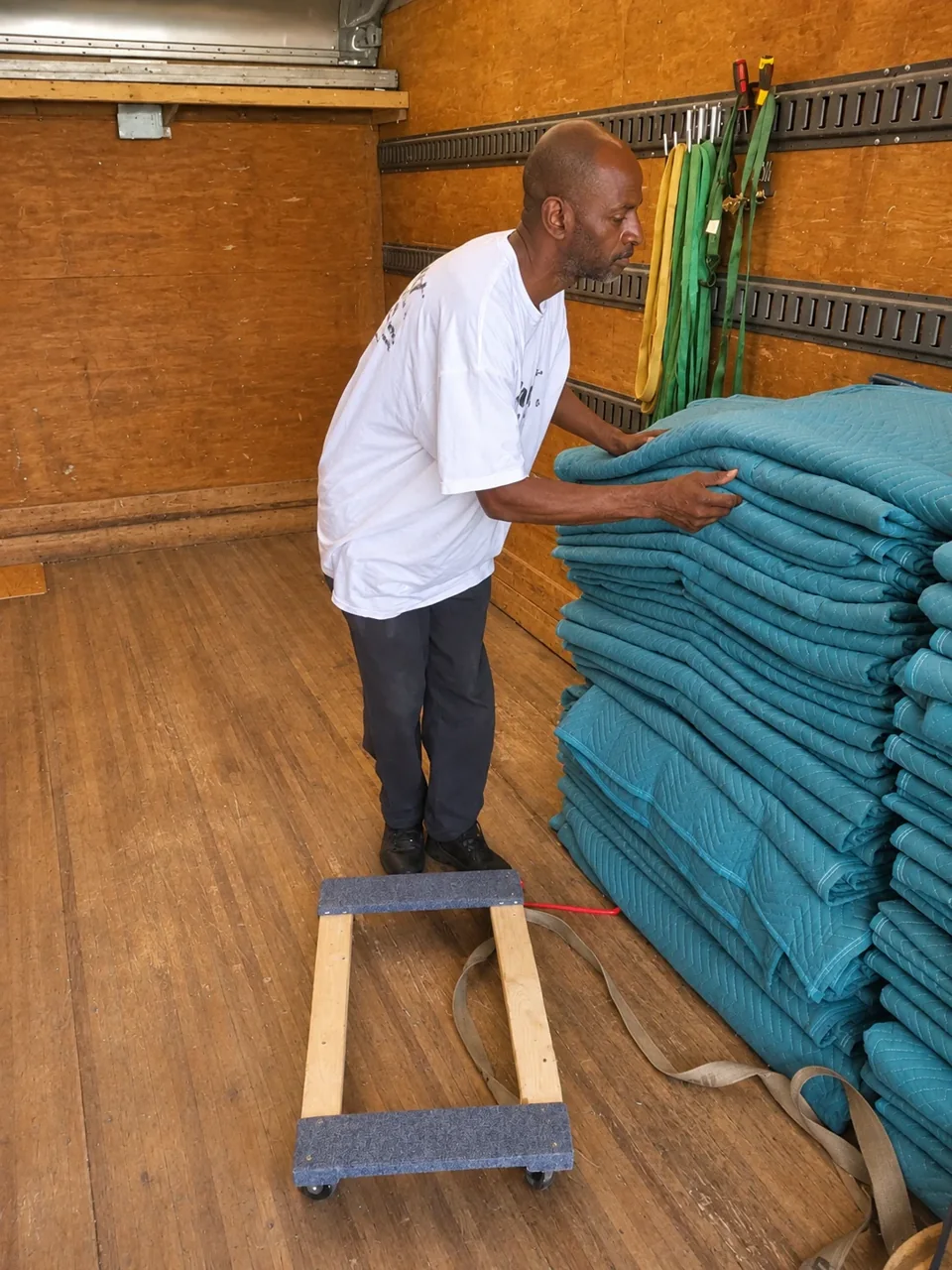
Choose clean, dry protection
Inspect pads for grit, staples, dampness and tears. Grit can scratch a polished surface even through a blanket. Select enough padding to cover corners and edges without creating loose material that could catch underfoot.
Start with the furniture’s surface
Clean and dry the item according to its care instructions. Protect especially vulnerable corners with appropriate guards. For delicate finishes, antiques, leather and artwork, ask the manufacturer or a specialist about suitable contact materials before wrapping.
Fit the furniture pad
Drape the pad over the top and work around the sides. Overlap pads where necessary, keeping coverage at corners. Avoid putting excessive pressure on thin panels, glass or protruding trim. Leave safe structural handholds available for the carry.
Secure with moving stretch film
Moving stretch wrap clings to itself without heat. Wrap around the outside of the pad using controlled tension so the pad stays in place without crushing furniture. Do not tape directly to the item. Keep film clear of wheels, moving mechanisms and the walking route.
Unwrap promptly after the move
Remove wrapping carefully without cutting toward the furniture. Allow surfaces and fabrics to breathe, especially after changes in temperature or humidity. Dry and inspect reusable pads before storing them. Keep loose plastic away from children and pets.
Get the supplies. Get the right help.
Choose boxes, paper, mattress bags, pads and stretch film in our Southeast Elite Moving Store. Request supplies with your moving crew, a separate team delivery, or parcel shipping. The team confirms availability, delivery and your final total before payment.
Need help with lifting or packing? Explore packing services or tell us about your move. Follow manufacturer instructions for your specific furniture and equipment; arrange specialist help when the route, weight or construction makes the task unsafe.
Further reading
For items sent as parcels, follow the carrier’s packaging requirements: FedEx furniture packaging guidance and USPS package preparation. Truck-moving protection and parcel packaging serve different conditions.